There’s a quiet assumption many building owners make under AS 1851. If the fire equipment is installed… and the maintenance record tag is punched… and nothing looks broken… then everything must be fine.
But fire safety doesn’t work like that. It’s not a one-time install. It’s an ongoing responsibility, and under NSW Building Commission requirements aligned with AS 1851-2012, building owners are legally responsible for ensuring their fire protection systems are properly maintained, tested, and ready to perform when it matters most.
Not the tenant, not the contractor, not the last technician who walked through the building.
The owner.
Let’s talk about what that actually means in practice.
Fire Safety Maintenance Is a Legal Responsibility, Not Just a Recommendation
AS 1851-2012 sets the standard for routine service and maintenance of fire protection systems across Australia. It exists for one simple reason:
Fire equipment only protects people if it works when needed, and, like any mechanical or electrical system, fire systems can deteriorate over time. Valves seize. Batteries weaken. Components fail quietly in the background.
Without routine maintenance, these failures often go unnoticed until it’s too late.
Building owners are responsible for ensuring that all essential fire safety measures are:
- Regularly inspected
- Tested at required intervals
- Maintained in accordance with the standard
- Properly documented
This isn’t optional; it’s part of compliance.
You can read the full breakdown of responsibilities on the official NSW Government page here:
Maintenance Records Matter More Than Most People Realise
One of the most overlooked responsibilities is documentation. AS 1851 requires building owners to keep detailed records of all inspections, tests, and maintenance activities. These records must be accurate, up-to-date, and accessible.
Why?
Because compliance isn’t just about doing the work, it’s about proving it was done. Maintenance records are essential for:
- Annual Fire Safety Statements
- Insurance validation
- Audits and compliance checks
- Incident investigations
Without proper records, even well-maintained systems can be considered non-compliant.
Fire Systems Are Complex, and Every Component Matters
Most buildings don’t rely on a single fire safety measure. They rely on multiple interconnected systems working together, including:
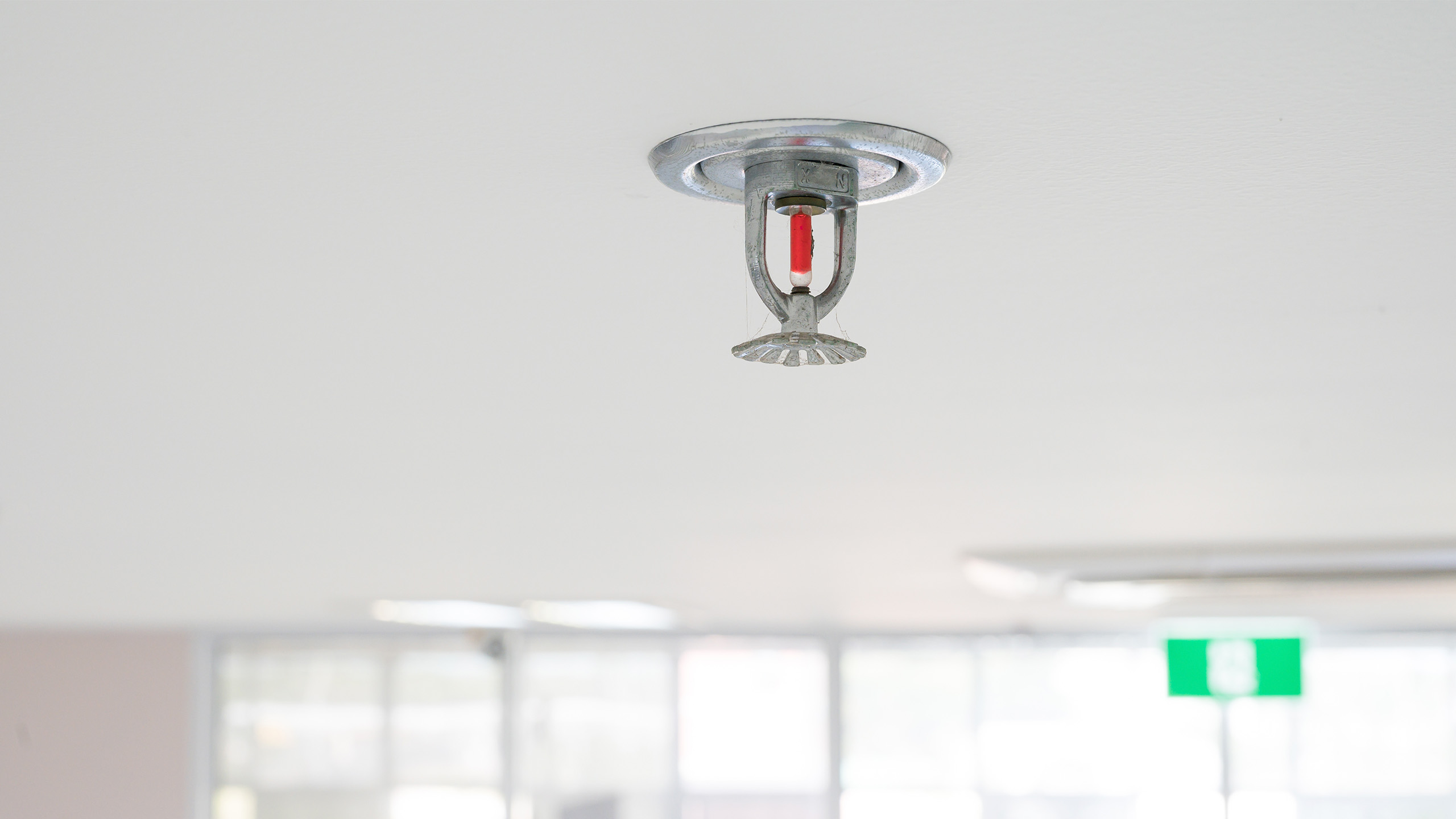
- Fire sprinkler systems
- Fire hydrants and hose reels
- Fire detection and alarm systems
- Fire extinguishers
- Emergency and exit lighting
- Fire doors and passive fire protection
Each system has its own inspection and servicing schedule. Each system has its own compliance requirements, and each system plays a critical role in protecting lives and property. If one component fails, the entire system’s effectiveness can be compromised.
Compliance Isn’t Just About Avoiding Penalties, It’s About Protecting People
Regulations exist for a reason. They’re based on real incidents, real failures, and real consequences. Proper maintenance ensures:
- Systems activate when required
- Occupants have time to evacuate safely
- Firefighters can operate effectively
- Property damage is minimised
It’s about protecting people first. Compliance follows naturally when systems are properly cared for.
The Role of Qualified Fire Protection Providers
While the responsibility sits with the building owner, qualified fire protection professionals carry out the inspections, servicing, and reporting required under AS 1851.
A good provider doesn’t just tick boxes, they identify risks early, they ensure compliance stays current and they help building owners stay ahead of problems, not react to them.
At Hands On Fire Protection, we focus on proactive maintenance, clear reporting, and practical support, so building owners know their systems are ready, compliant, and reliable.
Fire Safety Is Ongoing, Not Occasional
Fire safety isn’t something you think about once a year when paperwork is due. It’s something that’s maintained consistently, quietly, behind the scenes, because when fire safety systems are needed, they don’t get a second chance.
If you’re unsure whether your building’s maintenance is fully compliant with AS 1851, or you’d like clarity around your current servicing schedule, our team is here to help.
Share this article